FFA LSA inspection and service
Comprehensive safety checks and servicing to keep fire-fighting and life-saving equipment fully compliant.
Service Overview
At Nautix Marine Solutions, we deliver comprehensive inspection and servicing for all Fire-Fighting Appliances (FFA) and Life-Saving Appliances (LSA), ensuring your vessel remains fully compliant with international safety regulations, including SOLAS and AMSA requirements.
Our expert technicians conduct thorough inspections, functional tests, and maintenance of critical equipment such as fire extinguishers, fixed fire suppression systems, lifeboats, life rafts, life jackets, and emergency beacons. Every component is carefully assessed for performance, condition, and regulatory compliance to guarantee immediate readiness in any emergency situation.
We provide detailed service reports, certification documentation, and rectification support to help vessels pass surveys and port-state control inspections without delays. With Nautix Marine Solutions, you can trust that your crew’s safety and your vessel’s certification are always in expert hands.
- Annual and five-year safety equipment inspections
- Fire extinguisher recharging and hydrostatic testing
- Life raft servicing and certification
- EPIRB and SART functionality testing
- Replacement of expired or non-compliant safety equipment
Protect lives, safeguard your vessel, and ensure full compliance with Nautix Marine Solutions — your trusted partner for FFA and LSA services across Australia and beyond.
What ffa inspection requirements actually cover
FFA inspection requirements generally apply to the vessel’s firefighting appliances and systems, both fixed and portable. Depending on the vessel type, flag, class and operating profile, this can include fire extinguishers, fire hoses and nozzles, hydrants, international shore connections, fireman’s outfits, breathing apparatus, fixed gas systems, foam systems, water mist systems, fire detection interfaces and associated alarms or release arrangements.
The exact scope is never one-size-fits-all. A small commercial vessel has a different equipment profile from an offshore support vessel, tanker or classed cargo vessel. The inspection standard may also shift depending on whether the work is routine annual servicing, intermediate verification, five-year testing, hydrostatic pressure testing or rectification of deficiencies raised during an AMSA, class or port state control inspection.
That is why the right starting point is not simply asking when equipment was last checked. The better question is whether each item has been inspected, tested and certified in line with the applicable regulations, manufacturer requirements and the vessel’s survey obligations.
Why compliance failures happen
Most FFA defects do not come from dramatic equipment failure. They usually come from routine neglect, incomplete servicing or weak records. An extinguisher may still be mounted in place but be overdue for test. A fire hose may be stowed correctly but show degradation under pressure. A fixed CO2 system may appear intact while release controls, cylinders, pipework or warning signage no longer meet required standards.
There is also a documentation problem on many vessels. Servicing may have been completed, but the records are inconsistent, tags are unclear or certificates do not align with the equipment onboard. For inspectors, that creates uncertainty. If the evidence trail is poor, the equipment can quickly become a compliance issue even when the physical condition looks acceptable.
Operational tempo adds to the problem. Offshore and commercial operators often have narrow maintenance windows, changing schedules and pressure to avoid off-hire. FFA systems then get pushed behind machinery priorities or voyage-critical repairs. That approach usually costs more later, particularly when a vessel is preparing for survey or trying to clear defects at short notice.
Core inspection areas under ffa inspection requirements
In practical terms, inspectors are looking at condition, function, accessibility and traceability. Those four elements sit behind most firefighting equipment assessments.
Portable firefighting equipment
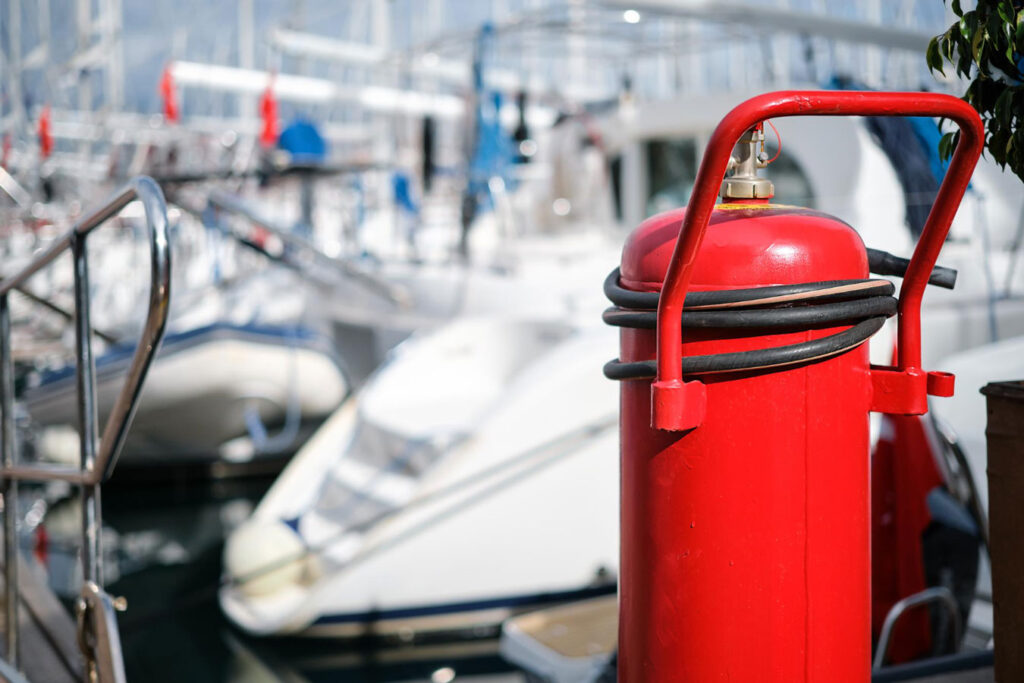
Portable extinguishers are one of the most frequently checked items because they are distributed throughout the vessel and are easy to verify. Inspection typically covers location, mounting, charge condition, physical integrity, operating instructions, service tags and test dates. If extinguishers are damaged, corroded, incorrectly located or outside service interval requirements, they will attract attention quickly.
Fire hoses, couplings, nozzles and hydrants are another regular focus. Inspectors want to see that hoses are serviceable, accessible and capable of pressure performance where required. Couplings must be in sound condition, nozzles must operate correctly and hydrants must not show leakage or damage that would compromise use during an emergency.
Fireman’s outfits and breathing apparatus
These items are often present but not always maintained with the level of discipline they require. Inspection generally includes cylinder condition and pressure, face masks, demand valves, straps, alarms, spare charges where required, lights, protective clothing and stowage arrangements. If breathing apparatus service records are incomplete or cylinders are overdue for testing, the defect is usually straightforward and difficult to argue.
Fixed firefighting systems
Fixed systems require closer technical attention because the risk profile is higher and the testing regime is often more involved. CO2 systems, foam installations, dry powder systems, water mist and local application systems may all have scheduled inspection and test requirements tied to annual and periodic survey cycles.
That can include cylinder weighing or testing, discharge line verification, control cabinet inspection, release mechanism checks, alarm and shutdown interface testing, foam concentrate sampling, pump performance checks and verification that protected spaces still match the approved arrangement. Any modification onboard that affects space layout, machinery arrangement or access can create compliance issues if the firefighting system has not been assessed against the revised condition.
Intervals matter, but so does the inspection standard
One of the more common mistakes is treating interval compliance as the whole job. Meeting the annual or five-year date is necessary, but it is not enough on its own. The inspection method must also be correct, and it must be carried out by competent personnel using the applicable standard.
This matters most where hydrostatic testing, cylinder servicing, foam analysis, breathing apparatus servicing or fixed-system verification is involved. Shortcuts in these areas may not be obvious during a quick visual review, but they become critical during survey, incident investigation or emergency use.
It also matters because different authorities may examine the same equipment from slightly different angles. AMSA, class surveyors, flag requirements and client-specific marine assurance processes can overlap. A vessel may be technically operational but still fail readiness if the inspection evidence does not satisfy all required stakeholders.
Preparing for inspection without disrupting operations
The best inspection outcomes usually come from planning rather than urgency. If your vessel is approaching survey, mobilisation or a port call with known compliance scrutiny, FFA preparation should start early enough to allow for service lead times, spare parts, testing and any rectification work.
A practical approach is to review the full equipment register against service dates, certificates and onboard condition before the external inspection occurs. That should include a physical check, not just a paperwork review. Missing nozzles, deteriorated hoses, damaged cabinets, low-pressure cylinders and expired service tags are still found far too often in otherwise well-run fleets.
It also helps to separate minor consumable issues from structural defects. Replacing signage, seals or brackets is simple if identified early. Rectifying a non-compliant fixed firefighting system, or sourcing test support for cylinders and release mechanisms, takes longer and should not be left to the week of survey.
For operators working under tight turnaround pressure, a single service partner that can inspect, test, certify and rectify is usually the most efficient model. It reduces handover gaps and makes it easier to close out defects with a clean documentation package.
Common defects that trigger delays
Across commercial vessels, several issues come up repeatedly. Portable extinguishers are overdue, incorrectly tagged or physically deteriorated. Hoses fail condition checks or are missing compatible fittings. Breathing apparatus cylinders lack current test status. Fixed system controls are not properly labelled, or release arrangements do not match the approved setup. Foam stocks are out of specification. Records are incomplete or dispersed across multiple contractors.
None of these defects are especially unusual, but they become expensive when discovered late. Delays to survey, vessel detention risk, restricted operations and unplanned service attendance all have a direct commercial impact. For offshore projects and schedule-driven commercial work, that impact can be far greater than the inspection cost itself.
Choosing the right inspection support
Not every provider is equipped for marine FFA work at the level commercial operators need. The right support should combine technical servicing capability with working knowledge of survey expectations, certification requirements and Australian compliance realities. That includes understanding how inspection findings translate into operational risk, not just maintenance recommendations.
A capable marine inspection partner should be able to identify whether an issue is cosmetic, serviceable, survey-relevant or immediately safety-critical. They should also be able to support rectification in a timeframe that aligns with vessel movements. For operators managing multiple compliance streams at once, that responsiveness is often as important as the inspection itself.
This is where Nautix Marine’s approach is relevant for many operators. When FFA inspection, certification and defect rectification are handled with the same operational discipline as other safety-critical systems, vessels are easier to keep compliant and far easier to keep moving.
FFA inspection requirements are really about readiness
The real test of any firefighting system is not whether it passed a quick visual check. It is whether the equipment will function as intended, under pressure, with no hesitation from crew and no doubt from surveyors or regulators. That is the standard commercial operators should work to.
If your current process leaves questions around service intervals, certification status, equipment condition or defect close-out, it is worth addressing them before the next inspection window closes in. On a working vessel, readiness is rarely accidental.
What lsa servicing for vessels actually covers
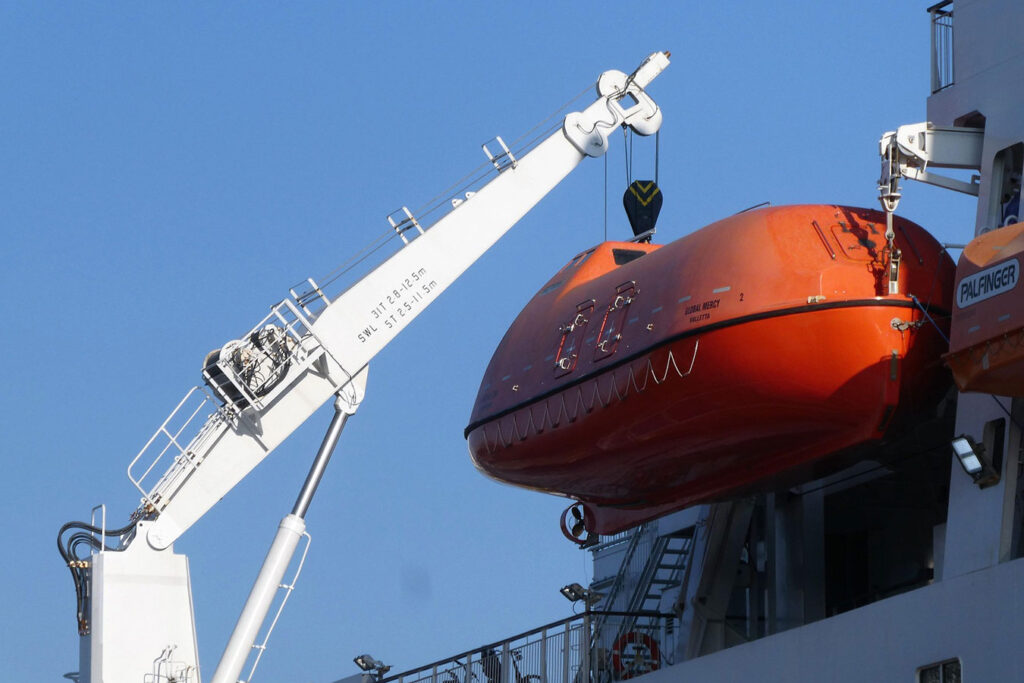
Life-saving appliances include the systems and equipment intended to protect personnel during abandonment, recovery and emergency response. In practice, that usually means liferafts, lifeboats, rescue boats, launching appliances, davits, on-load and off-load release gear, immersion suits, lifejackets, EPIRBs, SARTs, line-throwing appliances and associated emergency equipment.
Servicing requirements vary depending on vessel type, flag, class, equipment manufacturer instructions and applicable statutory rules. Some items require annual inspection. Others require more detailed periodic testing, overhaul or recertification at fixed intervals. Inflatable appliances, release systems and launching arrangements often have very specific service criteria that cannot be handled as a generic maintenance task.
That is where operators can run into trouble. LSA may appear visually acceptable on deck, but hidden deterioration, expired components, corrosion in launch systems, seized moving parts or certification gaps can still trigger deficiencies. A vessel can look ready while carrying avoidable risk.
Why LSA servicing matters beyond compliance
Compliance is the obvious driver, particularly where AMSA inspections, class surveys and port state control exposure are concerned. But the operational value goes further than passing an audit.
Well-managed LSA servicing reduces the likelihood of defects surfacing at the worst possible time – before mobilisation, during charter vetting, ahead of an offshore campaign or on arrival for a scheduled inspection. It also gives technical managers clearer visibility over equipment condition, recurring faults and replacement planning. That matters when budgets are tight and downtime windows are short.
There is also a practical crew safety issue. Emergency equipment is often exposed to weather, salt, vibration and long periods without use. If servicing intervals drift or inspections are superficial, degradation can go unnoticed. In a real emergency, the equipment has one job. It has to work first time.
Common issues found during LSA servicing for vessels
The pattern is familiar across trading vessels and offshore assets. Certificates may be out of date. Liferaft service dates may have rolled over while the vessel remained operational. Hydrostatic release units can expire quietly unless someone is tracking them properly. Davit systems may show corrosion, wear or poor lubrication. Release hooks may need adjustment, overhaul or closer examination against manufacturer requirements.
Rescue boats and lifeboats also present recurring problems. Batteries, engine starting arrangements, bilge systems, painter lines, loose gear and structural condition all need proper attention. It is not unusual to find equipment that passed a cursory visual check but fails once function testing begins.
Then there is the paperwork. Even when the equipment itself is serviceable, missing records, incomplete service reports or poor traceability can create compliance problems. For vessel owners and managers, that can mean delays, follow-up actions and unnecessary scrutiny from regulators or clients.
The difference between routine checks and formal servicing
Crew checks remain important. Weekly and monthly inspections help confirm general condition, accessibility and obvious readiness. They are part of good vessel housekeeping and support early fault identification.
But crew checks are not a substitute for formal LSA servicing. Certified servicing involves competent inspection, scheduled testing, manufacturer-aligned procedures and documentation that stands up during audit or survey. Some items also require specialist workshop handling, approved test facilities or component replacement under controlled conditions.
This distinction matters because many compliance failures happen in the gap between informal onboard familiarity and formal service obligations. If nobody owns that gap, the vessel carries the risk.
How to plan LSA servicing around vessel operations
The best approach is rarely reactive. Waiting until an inspection is booked or a deficiency is raised usually narrows your options and increases schedule pressure.
A better model is to align LSA servicing with planned maintenance windows, port calls, drydock scopes and statutory survey timing. That gives operators more room to sequence inspections, arrange parts, complete testing and rectify findings before they escalate into a commercial issue. It also reduces the chance of duplicated attendance across different contractors.
That said, not every vessel operates with the same flexibility. Offshore support assets, coastal traders and project vessels can face changing mobilisation dates and compressed turnaround times. In those cases, service planning needs to be practical. The provider must be able to assess what can be completed onboard, what needs workshop support, and what defects present an immediate compliance exposure versus those that can be managed within a defined rectification plan.
What to expect from a competent service provider
For safety-critical systems, capability is not just about having technicians available. It is about knowing the equipment, understanding statutory and class expectations, and recognising how service findings affect vessel readiness.
A competent provider should be able to inspect and test the relevant equipment, identify deficiencies clearly, advise on rectification options and produce documentation that supports survey and inspection requirements. Just as important, they should understand the local compliance context. In Australia, that includes the practical realities of AMSA readiness, defect management and scheduling around commercial operations.
Responsiveness also matters. A technically correct service is only part of the job if delays in reporting, parts supply or follow-up push the vessel off hire or create avoidable inspection risk. Marine operators need a provider that can move from inspection to action without losing control of quality.
Compliance, certification and the AMSA factor
Australian operators already know that inspection readiness is rarely about one isolated system. A deficiency in LSA can sit alongside issues in FFA, lifting equipment or mooring systems, and together they create a broader picture of vessel condition.
That is why LSA servicing should be treated as part of an integrated compliance strategy rather than a standalone event. Where pre-inspection reviews are carried out properly, operators have a better chance of identifying gaps before AMSA attendance, not during it. Where defects are found, rectification should be documented, traceable and completed in a way that supports reinspection without confusion.
There is also a commercial advantage in using a provider that can see the bigger operational picture. If the same team understands inspection readiness, defect rectification and related shipboard safety systems, decision-making tends to be faster and more accurate. Nautix Marine works in that space because vessel operators do not need fragmented advice when time is tight and compliance exposure is real.
When replacement makes more sense than repeated repair
Not every LSA item should be pushed through another service cycle. In some cases, age, corrosion, obsolete components or recurring failures mean replacement is the more reliable option. That can be hard to accept when budgets are under pressure, but repeated patch repairs on critical safety equipment often cost more over time.
The decision depends on condition, certification status, OEM support and how critical the item is to the vessel’s operational profile. A rescue boat used regularly in offshore support work presents a different risk profile from equipment that sees limited use on a lower-intensity route. Good servicing advice should reflect that reality rather than treating every vessel the same.
Building a more reliable LSA maintenance program
The strongest LSA programs are structured, documented and realistic. They track service intervals properly, account for manufacturer requirements, include onboard condition checks and allow enough lead time for parts, workshop scope and certification. They also connect technical findings to operational planning, so the vessel team is not surprised by known issues at the point of inspection.
There is no single template that suits every fleet. Vessel age, trade, equipment mix and inspection exposure all shape the servicing plan. What does stay constant is the need for technical competence, clear reporting and timely rectification.
If your vessel’s LSA has not been reviewed against current service schedules, certificates and actual equipment condition, that is usually the place to start. A clear picture now is far easier to manage than a deficiency notice when the vessel should already be sailing.
The right time to address life-saving appliances is before they become the reason a vessel is delayed, detained or left exposed when safety depends on them most.